
• Skip to primary navigation
  • Skip to main content
  • Skip to primary sidebar
GGHC

GGHC Supplement Reviews

Good Guid Health Care

  • Home
  • About
  • Best Fat Burners
    • PhenQ
    • Instant Knockout
    • Leanbean
    • Hourglass
  • Best Appetite Suppressants
  • Best Legal Steroids
    • Clenbuterol
    • Crazy Bulk Stack
    • D-Bal
    • DecaDuro
    • Testo Max
    • Trenorol

Brad Murphy

Concurrent Training – Does Endurance, Cardio Exercise with Resistance Training Hurt Your Gains

Updated on February 14, 2020 by Brad Murphy

Concurrent Training will it hurt my muscle gains

What is Concurrent Training?

Concurrent training is when you go for a jog with your shake weights and do some star jumps every 2 minutes.

No it’s not. I am, of course, messing with you. No-one should do what I just described unless they’ve got the mullet, sweatband and short-shorts to go with it.

Concurrent training is where you undertake two different forms of exercise discipline – namely resistance weight training and some sort of cardio-vascular/endurance training – within the same session, day or fitness program.

Some people avoid doing any cardio for fear that it will reduce their gains in muscle strength or hypertrophy.

Others blast out a fierce cardio session immediately prior to lifting weights, seemingly unfazed (or, dare I say it, mindless) of other, more productive methods.

Choose Your Main and Secondary Goals

The fact that you’ve come to this site means you are probably more interested in growing muscle than your aerobic engine for a fast 5 km run, but it pays to outline things from the start.

If strength is your main goal, it should be your primary focus. This means the majority of your training will be geared around building strength.

Using the same 5 km run example, it won’t serve you well to aim for an 18 minute 5K if what you want more is to squat 350 lbs within the year.

One type of training would inevitably eat into the other – both in terms of time and physical progress – possibly resulting in neither being achieved.

So, pick your poison. I’m assuming it’s muscle hypertrophy (both strength and size), and always keep it in mind when you are engaging in concurrent training.
Science and Concurrent Training

Science and Concurrent Training

Scientific studies are a controlled setting in which the theories, concepts and methodologies that are played out in the empirical world, can be put to a statistically measurable test.

There is no shortage of scientific studies that have investigated concurrent training, and more importantly drawn conclusions about the impact of cardio/endurance exercise on muscle strength and size gains.

Happily, for people like me, there has also been a couple meta-analyses of said studies.

A meta-analysis is where some or all of the individual studies are analyzed and statistically compared to determine agreement between their findings, root out the outliers, and ultimately, calculate the average of all of the results.

Meta-analyses are at the very top of the scientific study hierarchy because of the confidence level in the results.

The more individual studies there are, the higher the value of the meta-analysis. A single study can be flawed and therefore give a skewed result, but a meta-analysis of many studies cannot.

Meta-Analysis Findings

Wilson et al completed a meta-analysis of 21 individual studies that examined the detrimental effects of concurrent endurance/cardio training on resistance training outcomes.

The 21 studies involved were chosen because the matched certain criteria, namely they:

  • Compared strength training alone to strength-plus-endurance (concurrent) training
  • Compared combinations of concurrent training
  • Measured at least one parameter from strength, power or hypertrophy

“Effect Size” – ES – is a simple way of quantifying the difference between groups of results rather than just using statistical significance.

For example, the Wilson meta-analysis found the average ES for hypertrophy amongst the concurrent training results was 0.85.

On its own that might mean very little, but it works when you also know that the average ES for hypertrophy in the strength-only groups was 1.23; and for the endurance training it was 0.27.

For clarity, the Effect Sizes for hypertrophy are summarized as:

  • Strength training only = 1.23
  • Concurrent training only = 0.85
  • Endurance training only = 0.27

Additionally, the strength-only and concurrent training results effect sizes are significantly larger than the endurance-only training.

Here are the mean ESs for strength improvements:

  • Strength training only = 1.76
  • Concurrent training only = 1.44
  • Endurance training only = 0.78

Again, strength and concurrent training ES is significantly greater than endurance with respect to strength gains.

Finally, the mean ESs for power development were:

  • Strength training only = 0.91
  • Concurrent training only = 0.55
  • Endurance training only = 0.11

This time, significant differences were found between all three groups.

Hypertrophy, Strength and Power.

What Are the Takeaway Points from the Wilson Meta-Analysis?

The results show a very obvious pattern with strength-only training winning on all 3 measures: Hypertrophy, Strength and Power.

Also clear is that endurance training by itself led to significantly less gains in all 3 measured as compared to concurrent training (although endurance still led to positive effect on all 3).

Furthermore, where power was concerned, strength-only training resulted in significantly greater improvements than concurrent training, which in-turn was significantly more effective than endurance only.

Wilson notes that concurrent training, where running was the endurance type training, there were significantly smaller gains in muscle hypertrophy and strength (although they were still gains).

However where cycling was the endurance training, this decrement didn’t reach significance. Interpretation: concurrent training with cycling preserves muscle gains better than running.

No form of training resulted in decreases in muscle size, strength or power, i.e. all effect sizes highlighted positive change.

The only decrease, which is not discussed above is that VO2max – a measure of maximal aerobic output – actually reduced with strength-only training.

That’s important from a health perspective, and from the perspective of someone designing their training program.

Given strength, power and hypertrophy can be increased no matter what style of training, but cardio fitness can be reduced in strength-only training, can you really afford not to add some endurance/cardio to your routine?

Perhaps the most important point to make here is that concurrent training does not result in complete negation or “robbery” of muscle gains. Is not the reason you are not making muscle gains!

Continue reading for some information that’ll really make you question your pre-conceived notions that “cardio hurts my gains”.

Cardio will definitely not completely rob your gains, as many gym bros seem to think.

Daylight Robbery or Downright Complimentary?

The concurrent training meta-analysis discussed in the first part of this article gives us hope that we can have our endurance training and our strength training in the same program and not significantly slow our muscle growth or strength.

Cardio will definitely not completely rob your gains, as many gym bros seem to think.

There are, of course, some signs to watch out for when you decide to go down a concurrent training path.

We don’t really know too much about the effects on people with a lot of training experience.

Most studies involve untrained individuals, and their progress tends to reflect that. Noobs, after all, make the best gains of their life in the first 6 months. I don’t believe the results can be flipped on their head if you are, say, a 5 year veteran of the gym.

In the case of experienced lifters, it might be the case that you would have to monitor your measurable factors a little closer if you decide to add some more cardio into your routine.

Another point to consider is that the longer your session of endurance/cardio training, the more it will effect your muscle strength and hypertrophy gains.

Technically, you can still improve strength and size if you do an hour of endurance a day, but combined with your gym sessions you are looking at a lot of time spent exercising, and the potential for over-training.

Overall fatigue and over-training can have detrimental effects to both your progress and your health. Downtime wasted because you are sick is not the same as downtime for recovery and growth.

Getting the right balance is key, and that is a program design issue, and one that can vary from one individual to the next.

Experts Agree – Concurrent Training Works

Data gathered from all the studies of concurrent training doesn’t support the popular belief that cardio or endurance exercise will ruin your muscle gains.

It’s great to see when experts in the field bash out opinion articles like the one Murach and Bagley did in 2016 (don’t you just love recent scientific literature? It leaves a fresh taste of nerd in your mindbrain).

These papers allow them to expand on the number crunching and offer forth what can be considered as extremely educated opinions.

Perhaps the most exciting figure from that report shows that combining aerobic training with strength training of the quadriceps leads to greater muscle hypertrophy gains than strength-only training.

This doesn’t mean concurrent training is better for muscle hypertrophy than strength training alone. That’s far too broad a statement, and we’ve already seen from the Wilson meta-study that all muscle related measurements point to strength-only training as being most effective.

For one thing, the data was from the measurement of quadriceps size. i.e. one muscle group and one measurement criterion.

Secondly the strength training volume was rather low with 2 days of lifting per week, and aerobic at 3 to 4 days per week. Most strength athletes would balk at the very suggestion.

Designing Training Programs from Scientific Studies

What’s interesting is the potential for program design that comes out from an analysis of the last few decades of studies.

Murach and Bagley highlighted previous research into the optimal timing of concurrent training, which found that a minimum 3 hour separation time between aerobic and resistance training should be observed.

Waiting 6 hours or more is even more beneficial and 24 hours is optimal. It’s logical of course, but again not always practical for a great number of people, who have time for one session a day for 4 days

However, we’re not really discussing those people. We’re discussing people for whom muscle and physique conditioning is extremely important.

For this reason, it’s not beyond the realm of sanity to recommend a 7 session week, at one session per day, alternating between aerobic/cardio and resistance training. The emphasis would be on resistance training with 4 out of the 7 days.

The logical 24 hour waiting time holds with this pattern, as does the strength training volume required for quality gains.

Provided sleep and diet are sufficient, there shouldn’t be a problem with following 7 a week.

That said, individualities do come into play, as does work/life balance. The above idea is merely an indication as to what can be done.

Bodybuilder fat management

Bodybuilding and Body Fat Management

It occurs to me that I haven’t really focused on the benefits of concurrent training. That’s mainly because if you’re looking to pursue it, you already know why, and what you’re really looking for is information about how aerobic training affects your resistance training.

Hopefully the health aspects of aerobic training doesn’t need to be discussed in depth here anyway. I’m sure you know them.

Fat management is key to the bodybuilding physique though. And that’s definitely a goal only achievable through some formula of concurrent training.

It’s true that raising the intensity of your resistance training will increase metabolic turnover and fat burning, but to really torch fat you are going to need to add some cardio to your gym game.

Unfortunately, walking on a treadmill for 20 minutes every other day won’t really cut it. If you’re eating an anabolic diet for maximal muscle growth, you’ll need to hit the cardio accordingly.

Interval training, where you complete burst of intense cardio interspersed with steady state low-intensity cardio works well.

Alternating lower body and upper body aerobic work relative to resistance work is preferable as well.

For example: on your bench press day, you would use a power cycle or spin bike, and on your squat day you might use the rowing machine.

Final Word – For Now

I’m going to get into training programs, periodization and balance in further detail as this website matures, but I wanted to put this, albeit two-part, article up in order to leave a signpost for concurrent training.

Read the literature I’ve linked out to if you have time. It’s well worth the ten minute read, and provides detailed insights that one can only really brush over in an article of this kind.

In the meantime, the best judge of your progress is you. If you feel you are doing too much cardio and it’s bringing fatigue into your program, then step it back.

Just be aware that there are definite positives to adding aerobic fitness to your strength and size training. The research tells us cardio is not the gains killer it was once thought to be.

It may even help in some circumstances.

Muscle Hypertrophy Explained – Myofibrillar and Sarcoplasmic

Updated on June 8, 2021 by Brad Murphy

muscle hypertrophy

Muscle hypertrophy = the increase in size of skeletal muscle via growth of its component cells.

It’s important that you understand at least the basics of the two ways in which your muscle fibers grow. They are:

  1. Myofibrillar Hypertrophy
  2. Sarcoplasmic Hypertrophy

You’ve probably seen diagrams of muscle fibers in cross-section. Imagine a pipe with smaller cables running through it and you’re most of the way there.

The cables represent the myofibrils and the space between them represents the sarcoplasm.

What Are Myofibrils?

Myofibrils – the cables in our pipe metaphor – are long chains of contractile proteins. They are responsible for the actual contractions of muscle fibers, for example when you lift a weight in the gym.

Myofibrillar Hypertrophy is therefore the growth in size and quantity of the myofibrils within the muscle fibers.

It is often said that myofibrillar hypertrophy directly corresponds to increased strength and maximum force output.

Training specifically and regularly with heavy weight (near the one rep max – 1RM – weight) is known to trigger myofibrillar hypertrophy.

What is the Sarcoplasm?

Going back to the pipe visualization, the sarcoplasm would be the areas between the cable-like myofibrils, except that the sarcoplasm is not empty space.

It is in fact much like the cytoplasm of the cell, which is comprised largely of the gel like substance that surrounds the nucleus.

You can think of the sarcoplasm as the softer “gel-like” substance surrounding the tougher, “rope-like” myofibrils.

Sarcoplasmic Hypertrophy can therefore be thought of as the enlargement of the sarcoplasm, or growth of the sarcoplasmic volume.

It can be assumed that sarcoplasmic hypertrophy directly corresponds to increased size of muscle fibers, and thus whole muscles.

There have been different theories offered as to the main purpose of sarcoplasmic hypertrophy.

You will find one generally accepted theory is that it increases the volume for muscle glycogen storage. Glycogen is basically globs of glucose, and a major source of energy.

For experts, the glycogen storage theory doesn’t paint the whole picture. The sarcoplasm is also a protein reservoir.

Expansion of the sarcoplasmic protein reservoir is probably a more logical explanation for sarcoplasmic hypertrophy, with increased glycogen storage being a concomitant or resultant benefit.

Training specifically for enhanced muscle size involves a lot more sarcoplasmic hypertrophy, and thus “high volume” training.

This usually means employing lower weight than specific strength training, but with higher reps, or “volume” sets, often to muscle failure.

Bodybuilders strive for aesthetic perfection

Strength versus Size Argument

Training predominantly for muscle size, i.e. bodybuilding is regarded by many as involving the growth of a lot of non-functional muscle mass.

That is to say a bodybuilder has huge muscles but can’t lift as much as someone much smaller who has trained as a powerlifter or weightlifter.

Physique goals are different as well. Bodybuilders strive for aesthetic perfection, muscle balance and symmetry, whereas powerlifters, weightlifters and strongmen train almost purely for strength and increased force output. Some bodybuilders turn to supplements to add muscle or burn fat, some turn to using steroids. The latter is bad idea for many reasons – unless they belong to the new breed of legal steroids – bodybuilding supplements that work like steroids but are safe and legal.

As such, the latter group tend to build physiques functional to their discipline or multi-discipline sport.

It follows that a bodybuilder has more sarcoplasmic volume and less myofibril density than a pure strength athlete.

The Skill Component

Much of a strength athlete’s ability to lift heavier weights than a bodybuilder is actually down to practice, and hence skill.

Powerlifters are regularly lifting weights that are high percentages of their 1RM (one rep max – the maximum weight they can lift for one rep only).

Furthermore, they use less movements than a bodybuilder because they strive primarily for the functional necessities of the sport.

By contrast, a bodybuilder must train every muscle of their body in various ways to grow each one to its maximum size.

So, where a strongman will squat, deadlift, pull, press and bench heavy weight in big compound movements, a bodybuilder will do that with moderate weight as well as working on all the satellite muscles of the smaller muscle groups.

Basically, the skill of regularly lifting bigger weight has a huge effect on the ability to do so.

Here’s an excellent article on the science of sarcoplasmic vs myofibrillar hypertrophy if you don’t mind getting into the technical stuff.

Mutually Beneficial but Not Mutually Exclusive

It turns out that sarcoplasmic hypertrophy is probably an inevitable function of resistance training. Whether you’re particularly aiming for size or not, there will be some increase there no matter what – after all, powerlifters aren’t exactly small.

The same can be said for myofibrillar hypertrophy. Of course someone who wants to get massive has to increase their strength significantly.

Bodybuilders also find it very easy to switch to all-out strength when they want to. Using the earlier metaphor again; this could be because they’ve built their pipes bigger, and so they can pack more cables in by changing up their training style.

If sarcoplasmic hypertrophy expands the sarcoplasmic protein reservoir then it stands to reason that this would serve the myofibrils well, if not providing direct functional strength in and of itself.

The non-contractile proteins in the sarcoplasm are heavily involved in anaerobic metabolism, which bodybuilding training relies on to a large degree.

Volume sets where the muscle tissue is worked way past lactate threshold and into the pure anaerobic zone would benefit greatly from increased sarcoplasmic proteins.

Sets of 3 or 4 reps with heavy weight you’re mostly remaining in the aerobic zone and using muscle creatine and phosphocreatine stores for energy. The sarcoplasm therefore doesn’t need to be as expansive if strength sets make up the habitual training regimen.

Summary – How Can I Use This Information?

Most people reading this won’t want to compete for the Mr. Olympia title, or indeed become the strongest man in the world, anytime soon.

The differences between sarcoplasmic and myofibrillar hypertrophy are important to understand because it gives you an idea as to how you should train for specific physique and strength targets.

I recommend a mixture of strength and volume training in order to get best of both worlds: functional and aesthetic.

In my opinion, sarcoplasmic hypertrophy shouldn’t be viewed as non-functional muscle growth because it obviously provides an energy pool for the muscles to tap into during anaerobic exercise.

Personally, I put more emphasis on strength training for myofibrillar hypertrophy because it provides a platform of stability and functionality, while helping to prevent injury and chronic exhaustion as you progress.

To get really big, you will need to lift heavy weight regardless of the weight’s proportion to your maximal output. Bodybuilders might squat, press and bench less weight than a pure strength athlete, but they still lift ridiculously heavy weights compared to the average person.

My advice: don’t choose between size or strength. Take the best of both.

Click here to read about the different muscle fiber types and what you should know as a lifter

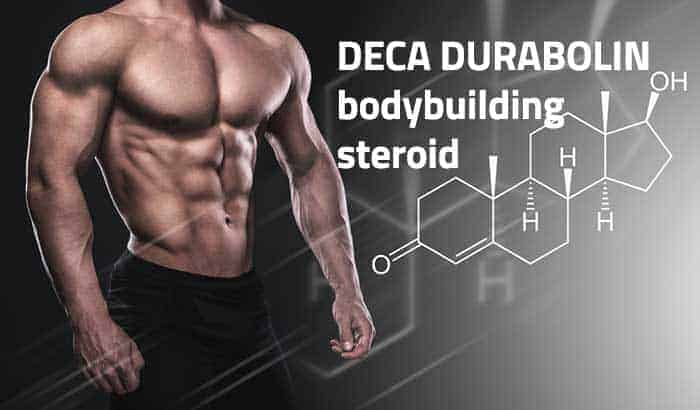
Deca Durabolin for Bodybuilding – Uses, Dosage & Risks

Updated on January 1, 2022 by Brad Murphy

Deca DuraBolin

Deca Durabolin Review

Deca Durabolin is a brand name for the injectable steroid Nandrolone.

This article is written objectively about Deca Durabolin (also known as Deca). We are providing a balanced view on its use for bodybuilding. We have highlighted to most popular legal Deca here

Although it’s an incredibly popular bodybuilding steroid, Deca Durabolin was not created for use in this way. It’s a medicinal drug intended to be used as a treatment for osteoporosis and to prevent bone loss and muscle wastage.

Like any other drug, Deca Durabolin can cause a lot of nasty side effects and should never be used without a doctor’s supervision. Using it for bodybuilding purposes is steroid abuse. It’s also illegal and dangerous.

On a molecular level, Deca Durabolin is almost identical to testosterone. The only difference is it lacks one carbon atom at the 19th position.

This slight difference makes Deca Durabolin weaker than testosterone and reduces the chance of premature balding and certain other side effects. However, the steroid still has side effects including the infamous “Deca Dick”.

This form of steroid-induced erectile dysfunction is no laughing matter. It can stick around for a long time.

Men who use the Deca Durabolin steroid sometimes end up waving goodbye to their sex life for up to a year.

However, regardless of the risks its use presents and the fact that it has to be delivered via painful intramuscular injections, Deca Durabolin continues to be a popular bulking steroid.

Deca Durabolin bodybuilding

A Short Deca Durabolin History Lesson

Like all the other anabolic bodybuilding steroids, Deca Durabolin has been around for a long time.

The Organon pharmaceutical company created its first esters of 19-nortestosterone (Nandrolone) during the 1950s and applied for a patent in January 1959. The license was granted in August 1961. [SOURCE]

Due to the fact that the steroid was so good at boosting muscle growth and enhancing physical performance, it was not long before its abilities were being abused by bodybuilders, powerlifters, and competitive athletes.

In fact, it was one of the first steroids used as a doping agent in sports. It’s been banned by the Olympics Committee since 1974. Nandrolone in all its forms is banned by most other sporting bodies as well. Yet many athletes continue to take the risk.

In fact, as recently as April 2017, Starling Marte from the Pittsburgh Pirates baseball team was hit with an 80 game ban after tests revealed he’d been using the steroid. [SOURCE]

How Deca Durabolin Works

Two of the most important things Deca Durabolin does are increase nitrogen retention and support improved protein synthesis.

Protein synthesis is the all-important repair process that heals your muscles and makes them grow. However, healthy protein synthesis only occurs in a nitrogen-rich environment.

The problem is, your muscles lose nitrogen during exercise.

By boosting nitrogen retention and protein synthesis in the way that it does, the steroid makes sure your muscles have everything they need to grow.

Additionally, Deca Durabolin boosts red blood cell production. The red blood cells carry oxygen around the body. By increasing their numbers, the steroid improves oxygen flow to the muscles. This allows you to work out harder and longer. It also speeds up recovery times.

There’s also one more additional benefit and it’s one that’s unique to this particular steroid—it increases collagen synthesis. This provides extra strength to the tendons and ligaments.

In so doing, the steroid helps ease the joint and tendon pain that holds some people back during their workouts.

Bodybuilder man

How to Use Deca Durabolin

Deca Durabolin is a bulking steroid. It’s most useful for providing rapid increases in muscle size and strength. It has to be injected into the muscle tissue one time per week.

Some bodybuilders recommend a dose of 600 mg per week and do a 12-week cycle. This dose is much too high and gives you a damn good chance of getting ED.

A dose of 300-400 mg per week works well for a lot of people. The lower dose also permits a longer cycle.

However, a better idea is to take 2 mg of the steroid for each pound of lean body weight, but that means doing some math.

Women who use this steroid don’t need nearly as much as men. In general, they should be looking at a dose of 50 mg per week or less.

However, the best way approach with this steroid is not to use it at all. This isn’t the 60s. There are safer and better options available.

Deca Durabolin Side Effects

Deca Durabolin has a reputation of being one of the milder anabolic steroids. That in no ways makes it a wise or safe option to use. It still has the potential to cause a lot of nasty side effects.

Apart from robbing men of their ability to get an erection, it can make women who use it develop very masculine traits. Increases in body hair and deepening of the voice are just two problems women may face. Deca Durabolin also causes some women to develop a clitoris that’s so swollen it resembles a miniature penis.

Other Deca Durabolin side effects include:

  • Fluid retention
  • High blood pressure
  • Acne
  • Nausea
  • Itching
  • Undesirable changes in blood lipids
  • Abnormal liver function
  • Changes in liver anatomy and/or tumors
  • Growth of man boobs
  • Abnormal blood tests
  • Heart problems

Using this steroid also reduces normal testosterone production by around 70 percent. So if you think you can use it without doing a post cycle therapy you need to think again. Your body will need a lot of support until it can start producing sufficient testosterone again.

Deca Durabolin Pros and Cons

Like other anabolic steroids, Deca Durabolin has its good points and its bad ones.

PROSCONS
Milder than other steroidsIllegal
Increases strengthSlower working than other steroids
Improves muscle sizeResults take up to 8 weeks
Good for joint painCauses side effects
Faster recovery after workoutsCompetitions bans
Strengthens the bonesWater retention
 Can ruin your sex life
 Requires post cycle therapy
 Has to be injected
 Safer alternatives available

Is Deca Durabolin Worth the Risk?

Although it’s milder than other steroids Deca Durabolin is still capable of causing side effects and the health is too precious a thing to risk.

Apart from the fact that it may damage your health, this slow-working steroid doesn’t even provide that much growth. Your only looking at gaining around 15lbs in muscle. And that’s after a 26-week cycle.

Then, when you’ve finished your cycle you will need to spend several more weeks doing a PCT. If you don’t your normal testosterone production will be so low you’ll lose all the gains you made and more.

Got a competition coming up? Deca Durabolin is going to give you problems there too. It can remain detectable for up to 18 months.

There are more reasons not to use Deca Durabolin than there are reasons that may make its use seem worthwhile. If you need something to help you bulk-up, it makes more sense to go with a safe and legal steroid alternative instead. You’d get far superior results and no negatives at all.

An Alternative to Deca

In our view the risks are not worth it – we advise using alternatives that have the potential for side effects removed.

CrazyBulk have developed a range of legal steroids that have become major players in the supplement industry. Their Deca Durabolin alternative is called DecaDuro and it can provide the following benefits

  • Increases oxygen flow to the muscles
  • Quality muscle gains
  • Increased strength and endurance
  • Increases protein synthesis
  • Improves nitrogen retention
  • Soothes the joints and quickens recovery

You can read full review here

Decaduro alternative to deca durabolin

Deca Durabolin FAQ

How long does Deca Durabolin remain detectable in your system?

The Deca Durabolin steroid can remain in your system for a very long time. Some people may test clear a little faster, but it can stay with you for up to 18 months.

Can women use Deca Durabolin?

Female bodybuilders who use steroids are more likely to go for Deca Durabolin than any of the other options. It’s often considered to be the most female-friendly anabolic steroid there is.

However, it still presents the risk of virilization and once women start developing those masculine traits there’s no going back.

What’s the difference between Deca Durabolin and Nandrolone?

There is no difference. Deca Durabolin is a brand name. Nandrolone is the generic name for the same steroid. It’s also known as 19-nortestosterone.

Will I have to do a PCT when I stop using it?

Yes. You will definitely have to do a post cycle therapy after you stop using Deca Durabolin.

Can you use Deca Durabolin during cutting cycles?

People have tried it, but it’s a pretty pointless thing to do. It’s a bulking steroid. Although it’s not going to provide dramatic improvements, it’s primarily used for improving muscle size and strength.

You also need to remember, Deca Durabolin is a steroid that can cause water retention and bloating. Taking it during a cutting cycle would be counterproductive.

Do you really want a lot of puffy flesh ruining your vascularity and definition?

Is there any way to use Deca Durabolin without getting Deca Dick?

No, it’s just the luck of the draw. Using it is a bit like playing Russian Roulette with your sex life. If you get hit you could be down and out for up to a year.

Should You Eat Carbs After a Workout – Build Muscle, Burn Fat

Updated on June 6, 2020 by Brad Murphy

Fast Carbs After a Workout? Carbohydrates are the present day villain of the macronutrients. People following keto diets have decided to forego them completely, relying on their livers to synthesize ketone bodies from which they derive their energy.

Fast Carbs After a Workout? Carbohydrates are the present day villain of the macronutrients.

One particularly insane breed of people, known as ketogenic athletes, do this while training and competing in their chosen sports. Not just lawn bowls and croquet either…real sports where you have to move and everything.

If you’d have told me 15 years ago that there would one day exist a whole category of athletes who ate less than 50 grams of carbohydrates a day, I’d have laughed in your face and explained in thoroughly patronizing tones how important glycogen is for athleticism.

So, Should You Eat Carbs After a Workout?

Alas, here we are in 2020, and unless the zombie apocalypse has transcended pop-cultural cliché to become tangible reality, these people live and breathe.

Power to you if that’s your thing, but when it comes to bulking up and building muscle with food, low-carb diets have a long road of scientific research and empirical evidence to travel before carb-inclusive diets can be challenged for their efficacy.

Fair enough, but we should obviously stick to low and medium-GI carbs, right? So we don’t spike our blood sugar and damage our insulin, destroy all life on Earth, and blow up the Universe?

Actually, I’m here to make the case for fast carbs and eating carbs after a workout in general.

Like donut-fast!

When you should eat them, and how they will help you make progress, build more muscle, and burn more fat, faster.

Yes, not only will this not hurt your gains, it will improve them.

For Those Who Lift – Eat Carbs

If reading my work gets you upset, confused, or it contradicts something some other “expert” told you, then remember this:

Unless you lift weights on a regular basis and want the most efficient results, I am not here for you.

Fast carbs and bodybuilding

If you’re an LCHF zealot (low carb high fat), and what I say hurts your feelings, or has you sharpening your favourite carb-free pencil in order to draft a strongly worded response letter, you’re better off saving the effort, because I. Just. Don’t. Care.

It’s not because I think what you’re doing is wrong (it is, though). It’s because your physique goals clearly aren’t as important to you as some hyped-up, under-researched, in-vogue, extremist diet.

Keto is the duck-face selfie of the dieting world.

If you’re not a lifter, and you’re trying to lose weight, and low-carb works for you because you can adhere to it, then congrats. That’s how you’re hitting your body goals, and I don’t deny its merit. But don’t try and convince people that it’s magic.

And don’t tell me you can build muscle and strength without carbs just as quickly as you can with them. As a side note you may also want to try a natural bulking supplement such as D-Bal as well – trying to bulk up with food alone is extremely difficult.

Intermittent Fasting

By the way, using Intermittent fasting (IF) and even intermittent Keto, does not qualify you as a zealot.

In this case, I completely acknowledge that you are applying them as tools – that work for you – to achieve a fat loss objective.

Point is, you’re using them intermittently.

Calories In Calories Out

However, at the end of the day, scientific and empirical data still overwhelmingly support the case for CICO (calories-in-calories-out) – i.e. the balance of energy intake versus energy expenditure – as being the ultimate driving force of weight loss and weight gain.

Any form of diet is really just a way for you to control that CICO balance. Since adherence is the key to success, whatever you can stick with is that which will get you the results.

Athlete and fast carbs

Athletic Metabolism

Athletes use energy more efficiently than sedentary people do. In fact, I’d go as far as saying that an athlete uses, and stores, energy differently to a sedentary person.

In basic terms, when a sedentary person with poor insulin sensitivity eats a fast carb-rich meal, they may very well put on weight in the form of body fat.

If the same meal is eaten by someone who hits beast-mode in the gym 5 days a week, they are going to store the sugar as muscle glycogen, increase muscle cell volume, trigger an anabolic response, and recover that much faster for the next killer session.

For muscle hypertrophy, all three macronutrients have their place, and fast carbohydrates can make a big difference to your progress.

High Glycemic Index Carbohydrates - Fast Carbs

High Glycemic Index Carbohydrates – Fast Carbs

Fast carbs, otherwise known as simple carbs, are those that are quickly digested and broken down into their simplest form of sugar to then be absorbed into blood stream

The Glycemic Index is a numerical rating system which assigns a value to how fast and how much different foods raise blood sugar.

The reputation of simple carbs has been dragged through the the mud because a hog load of people have abused them to the point where we now have all sorts of insulin resistance related health pandemics.

I won’t go any deeper into that except to say that fast carbs are not evil. They are often misunderstood, and they are definitely misrepresented.

For you, however, they can be very very useful.

Post-Workout Glycogen Replenishment

When you exercise regularly, a good portion of the sugar in the carbohydrates you eat are stored in your muscles as glycogen. Most of the remainder is stored in you liver.

For physical training, muscle glycogen is a primary source of energy. In fact, during anaerobic respiration, it is critical for optimal muscle performance.

Glycogen is simply a long branched chain of glucose molecules linked together. As you workout, glucose molecules are decoupled from the polysaccharide chain and used to generate ATP (adenosine triphosphate).

Low intensity workouts will not use as much glycogen as high intensity training because during aerobic respiration, your body can oxidize fatty acids as fuel to generate ATP. This leads a lot of people to the mistaken assumption that low-intensity aerobic exercise is the best option for losing fat.

During high-intensity exercise, which resistance training qualifies for in most cases, you might burn up to half or even three-quarters of your muscle glycogen.

IF optimal muscle growth is important to you, then the quicker you replenish that glycogen, the better.

Research unsurprisingly supports the practice of consuming high-GI – “fast” – carbs within an hour of finishing your session, as part of your post-workout meal/shake.

Not only will this replenish your glycogen levels for the next time you hit the gym, but it will help to keep your energy levels up for the rest of the day. This is particularly useful for people who workout before work, during their lunch hour or any time where post-workout fatigue would be a hindrance.

It’s also likely that there is a benefit to taking fast carbs as soon after your workout as possible, as it might enhance the absorption into the muscle tissue. This absorption ratio becomes lower and lower the longer you wait.

Don’t panic though, anytime within the first hour after you complete your workout is sufficient.

Perhaps the most important benefit of speedy post-workout glycogen replenishment is the anabolic advantage.

The glycogen that gets stored in your muscle cells draws water into them. Therefore, when you take fast carbs post-workout, the glycogen helps to extend the muscle pump by hydrating the cells.

While this looks good, increasing muscle cell volume is one of the triggers for anabolic muscle growth processes to begin. The hyperaemic pump from the mechanical action of lifting weights starts this in the gym. Increasing cell volume via fast carb replenishment post-workout has a compound beneficial effect.

How Much and What Carb Source to Choose?

People often find success by using the post-workout carbohydrate replenishment as their “cheat” meal/snack for the day.

That’s because simple dextrose (common glucose) rich foods are the best for replenishing glycogen quickly as it does not need to be digested and is absorbed directly into the bloodstream for transport to muscle cells.

It’s often found in decadent treats like candy and donuts, making them the perfect post-workout cheat meal that actually improves your results.

Hopefully you can see here that it’s a case of simple timing which allows you to satisfy your craving for sugar, while furthering your progress from the weight lifting session.

What About Fruit?

Some people think fruit is the healthy choice after a workout and will provide the same glycogen replenishment as pure glucose/dextrose based foods. It actually goes a bit deeper than that.

Apples are good to eat after a workout

Fructose ends up being converted to glycogen by the liver which then keeps it for times when blood sugar drops too low. It therefore doesn’t make it to the muscles to be stored there, and as such doesn’t tick all the boxes discussed above.

High fructose corn syrup has been demonized as the blood-sugar spiker of the century, but it’s actually a slower form of sugar than dextrose, which is essentially pure glucose (hence, why it needs no digestion and doesn’t automatically head to the liver).

Table sugar, the type you put in coffee, is also about half fructose, half glucose.

While many people in the bodybuilding/athletic community warn against the consumption of fruit post-exercise because fructose heads to the liver, it actually plays and interesting and advantageous role.

If liver glycogen is not replenished quickly, it will take up some of the glucose you ingest post-workout, leaving less for your muscles. Therefore fruit actually provides the liver glycogen through fructose, leaving any glucose to be taken up by muscle tissue.

Bear in mind that the sugars in fruits are not 100% fructose. Many contain a good amount of glucose and sucrose in them and so can contribute to muscle glycogen restoration as well.

Sucrose, which is a 2:1 or 1:1 ratio of fructose and glucose, can replenish muscle glycogen as well as glucose alone and potentially better given the liver glycogen buffering of the fructose.

In short: Sucrose and glucose can replenish muscle glycogen, and fruit might help conserve the glucose you ingest for that purpose.

Back To The Sweets

Look at the label and you should find the ingredients you need.

Regular corn syrup is good as it is absorbed like glucose, and dextrose is the best form going. As influencers like Dr. Jim Stoppani often recommend, Haribo Gummy Bears, Wonka Pixy Stix and donuts are great post workout snacks because of their dextrose content.

If you go the donut route, make sure their sweetener of choice is dextrose. Personally, I enjoy going through the candy/sweet aisle at the grocery store and picking out the products with the highest corn syrup and dextrose content.

Depending on the intensity of your workout, you can take fast carbs in the range of 20 to 60 grams.

Split the dose up a bit over the hour if dumping it in your system makes you crash a little. Also you can take a mixture of high and medium GI carbs to prevent this, which works a little like taking a mix of whey isolate and casein protein to extend the release of proteins into your system.

When doing this with carbs, you smooth out the blood sugar spike a little to provide a more sustained increased blood sugar level, rather than a sudden spike that may cause lethargy.

Protein-wise, take your regular scoop of 30 to 40 grams, and add about 5 grams of BCAAs if your stomach sits well with it.

Carnitine, which I’ll discuss briefly below (and which has an article dedicated to it) is also a good post-workout supplement. It will help your body recover from the workout, but it will also increase post-exercise fat oxidation.

Creatine Monohydrate best supplement in the world

Insulin – Glucose – Carnitine – Creatine – Aminos

Insulin, as you probably know, is released in response to changes in blood sugar levels. For active people, their insulin’s actions tends to be sensitive to the body’s energy storage requirements.

That means insulin attaches to certain receptors on the surface of muscle cells. This mediates the uptake of glucose into those cells, but that’s not where insulin’s role ends.

Insulin also mediates the uptake of amino acids, creatine and carnitine into the muscle tissue – all of which are very important for optimal muscle performance, growth and fat burning.

Leucine, the principal branched-chain amino acid (BCAA), even stimulates an insulin release when you consume it.

A mixture of carbohydrates and leucine-rich protein will therefore trigger a strong insulin response, which will help shuttle both glucose and proteins into the muscles. If creatine and carnitine are also consumed, their muscle content will also rise.

Creatine accumulates in muscles as a creatine-phosphate reservoir which is integral for the production of ATP during exercise.

Carnitine is also involved with energy metabolism. By increasing muscle carnitine content, you can prolong fat burning activity and preserve muscle glycogen. This helps reduce fatigue during exercise, lactic acid accumulation, post exercise fatigue soreness and of course body fat storage.

Final Thoughts on Eating Carbs After a Workout

There isn’t much of a case to be made against the efficacy of fast carbs post-workout when optimal muscle growth gains are your main objective.

Even the most triggered fundamentalist keto zealots can’t argue with the massive quantity of scientific and empirical evidence in favour of glycogen replenishment.

There are times when you might not consume carbs straight after a workout. One of those times is when you have completed a particularly low intensity session.

Another time is if you are almost wholly removing carbs from your diet for an intermittent low-carb cycle in order to get maximum fat loss results.

Although this can help in certain situations, there will be minimal benefit gained from avoiding the immediate post-workout glycogen replenishment. What’s more, the addition of carnitine to the mix might prevent any possible weight gain in any case (should you be in carbohydrate caloric surplus).

Nonetheless, if you do decide to go carb-free for a period of time, you must get your post-workout protein and amino-acids in, They will trigger the all important insulin spike, which will drive the nutrients into your muscle cells in lieu of sugar induced insulin release.

For people who are not specifically cutting carbs from their diet, there is absolutely no excuse for missing the post-workout fast carb hit.

So yes… you can eat carbs after a workout!

What’s better than being able to have a guilt-free treat, that can actually assist you in hitting your muscle building and strength targets?

Answer: nothing.

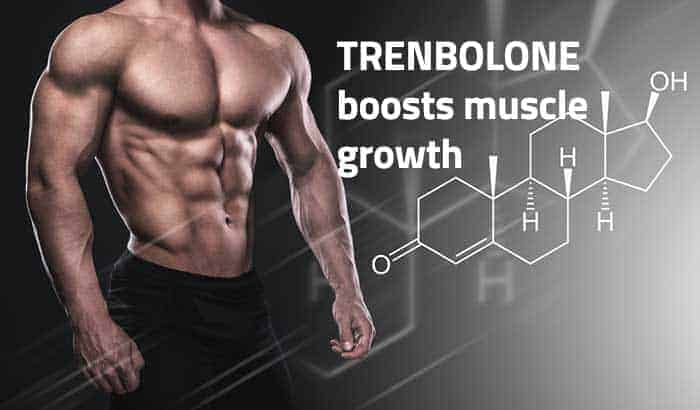
Trenbolone for Bodybuilding – Powerful Androgen and Anabolic Steroid that Boosts Muscle Growth

Updated on June 20, 2022 by Brad Murphy

Is Trenbolone for bodybuilding advised? Can I get tren over the counter? Are there any alternatives? Your questions answered.

Trenbolone muscle growth and bodybuilding

Trenbolone Review – Bodybuilding Uses

If you are looking for information about Trenbolone, this post is for you.

Trenbolone is a powerful steroid. It gets results. It can also really muck up your health.

In this review, I’m going to explain what Trenbolone is and what it can do for/to you—good and bad.

This article is about how Trenbolone works– a steroid used for muscle growth. We do not advise anyone to use, nor do we advise anyone to buy. This is article is for information and education only. Any scientific reference will include a source link. We do recommend using a legal trenbolone alternative

What is Trenbolone?

Trenbolone is a powerful androgen and anabolic steroid that boosts muscle growth. It’s primarily used as a bulking steroid and for enhancing performance.

Some bodybuilders also use it to for preserving muscle mass while cutting. It’s delivered to the body via intramuscular injection.

One of the advantages Trenbolone has over Deca Durabolin and certain other steroids is it does not present the risk of water retention.

Furthermore, its anabolic ability is five times stronger than testosterone and 10 times more powerful than Deca Durabolin.

Now, all that good stuff comes with a nasty flip-side. Using this steroid can cause to become terribly aggressive. Additionally, it causes acne and premature balding.

There are a lot of other side effects as well, but more on that later.

Trenbolone muscle building steroid

Main Benefits

  • Rapid mass gains
  • Preserves muscle and burns fat
  • No water retention
  • Improves stamina
  • Delivers Impressive strength gains
  • Enhances endurance
  • Improves recovery times

Latest Clinical Data on Trenbolone

  • Effect of 17β-trenbolone exposure during adolescence on the circadian rhythm in male mice – Feb 2022
  • 17β-Trenbolone binds to androgen receptor, decreases number of primordial germ cells, modulates expression of genes related to sexual differentiation, and affects sexual differentiation in zebrafish (Danio rerio) – Feb 2022

How Trenbolone Works

Trenbolone works for your muscles in a lot of different ways:

  1. Increases IGF-1 Production
  2. Enhances Protein Synthesis
  3. Increases Nitrogen Retention
  4. Boosts Red Blood Cell Production
  5. Improves Nutrient Absorption
  6. Speeds Up Lipolysis
  7. Reduces Cortisol

Let’s take a look at all these things in a little more detail.

1. Increases IGF-1 Production

IGF-1 is a protein produced in the liver. It’s structurally similar to insulin and is extremely anabolic in nature.

Apart from boosting muscle growth and accelerating healing, IGF-1 also has anti-aging capabilities. [SOURCE]

2. Enhances Protein Synthesis

Protein synthesis is the process the body uses to repair and rebuild damaged muscle tissue. The blood brings amino acids to the muscles and the body uses them to build muscle. That’s protein synthesis in a nutshell.

By making the process more efficient, Trenbolone provides faster healing and improved muscle growth.

3. Increases Nitrogen Retention

Adequate nitrogen is also necessary for muscle growth. The muscles have it, but nitrogen levels become depleted during exercise.

By increasing nitrogen retention, the steroid helps ensure the conditions are right for maximum healing and growth.

4. Boosts Red Blood Cell Production

The red blood cells have the important job of carrying oxygen around the body. Your muscles need oxygen to produce energy and, when they are worked hard, they need a lot more. [SOURCE]

Due to its ability to boost red blood cell production, Trenbolone delivers extra oxygen to the muscles. This makes it possible to work them harder and longer before fatigue sets in.

5. Improves Nutrient Absorption

The human body gets the protein and other nutrients it needs via the digestive organs. Whether those nutrients come in the form of a supplement or as food, there is still only one way in.

Trenbolone’s ability to boost nutrient absorption allows the body to get the full benefits of food/supplements faster than normal. This boosts energy levels and supports improved muscle growth.

6. Speeds Up Lipolysis

Lipolysis the process that breaks down fats and other lipids, releasing the fatty acids so they can be used as energy.

Although Trenbolone is not one of the top fat burning steroids, it does help the body burn fat. When used correctly it can encourage lean muscle growth with very little fat. It can also support fat burning without loss of muscle tissue.

7. Reduces Cortisol

Cortisol is the human stress hormone. Levels often become elevated after a hard workout. Especially during cutting phases.

When levels become high it can cause a state of catabolism that may wreck your muscle gains. So high cortisol is not something you want. By keeping cortisol in check, Trenbolone helps you to maintain an anabolic state.

Tren uses

How to Use Trenbolone

Trenbolone has to be delivered by intramuscular injection every two to three days and it’s definitely not a good steroid for women. It’s far too hardcore and carries a high risk of virilization.

When it’s being used for bulking, it’s best to use a dose of 50-100 mg every other day up to around 300 mg per week.

Some experienced steroid users go as high as 600mg per week, but that’s a very good way to increase problems with side effects.

A dose of 50-100 mg every other day is also recommended during cutting cycles. Some men use 200mg every other day but, again, that’s just asking for a hefty dose of side effects.

Trenbolone Side Effects

It’s not so surprising that one of the most powerful steroids in the world should offer the most serious risk of side effects.

It can cause man boobs and take your manhood out of action for up to a year.

Trenbolone also has a couple of side effects that other steroids do not. It causes heavy sweating that can lead to dehydration and the night sweats can be an especially very big deal.

Then there’s the infamous tren cough and it usually strikes just moments after the injection.

It’s also important to be aware taking this steroid can be really bad news for the heart.

Other Trenbolone side effects include:

  • Acne
  • Anxiety
  • Uncontrollable rage and aggression
  • Going bald
  • Excessively oily skin
  • Difficulty sleeping
  • High blood pressure
  • Rapid heart rate
  • Testicular atrophy
  • Liver damage

Using Trenbolone also disrupts normal testosterone production. So when you stop using it you will need to do a post cycle therapy until things return to normal.

Trenbolone Pros and Cons

Nobody’s saying Trenbolone doesn’t have its virtues, but they come at too high a price.

PROSCONS
Rapid muscle growthIllegal
Improves stamina and strengthCan cause nasty side effects
No water retentionCompetition bans
Helps you to workout harderWater retention
Speeds up recoveryCan ruin your sex life
Burns fat while preserving muscleRequires post cycle therapy
 Has to be injected
 Risk of death through organ failure
 Expensive
 Safer alternatives available

Is Trenbolone Worth the Risk?

The simple answer is no. Trenbolone is absolutely not worth the risk. It may have dibs at being one of the most powerful steoids you can get, but it’s also one of the most dangerous.

Is it worth risking kidney or heart failure just to get bigger muscles? How about seeing your relationship go down the drain because your partner can’t stand your aggression or feels let down in bed?

If you’ve got your head screwed on straight, the answer to both these questions should be no. You only get one body and you need to take care of it. Building a strong muscular body is an admirable ambition but there are better ways to do it.

Our Advice

The risks are simply not worth it – especially when you can use a supplement that will produce similar results while being completely free of adverse reactions

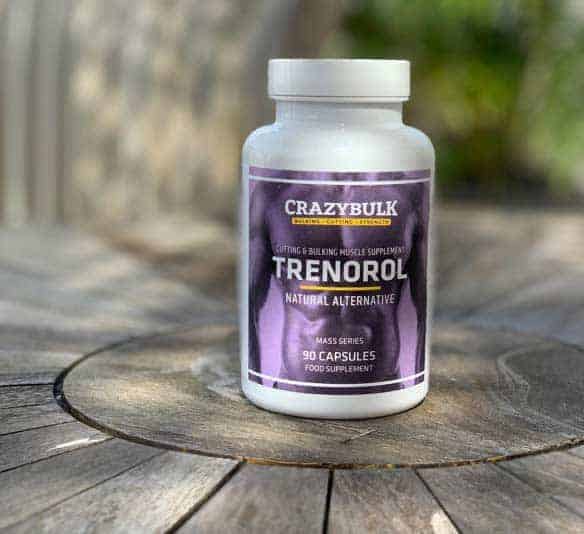
CrazyBulk produce a range of legal steroids that have become extremely popular in the industry. A great alternative to Trenbolone is Trenorol – it can provide the following benefits:

  • Safe and Legal Trenbolone Alternative
  • Gain Massive Muscle Mass
  • Shred Fat Without Loss of Muscle Mass
  • Attain Super Strength & Stamina
  • Provides Rapid Recovery

You can read full review here

Trenorol Hypertrophia review

Trenbolone FAQ 

Can women use Trenbolone?

That would be a really bad idea. When it comes to making women get extra hair in all the wrong places and start looking like men, this steroid is as bad as they come. Seriously, if you are a woman you need to stay away.

What’s the difference between Trenbolone and Parabolan?

There is no difference at all. It’s the same thing sold under different brand names.

Is there any way to use Trenbolone without getting Tren Cough?

Some people have a lot of crazy ideas, but the truth is, if you inject Trenbolone it’s pretty much a done deal you will be hit with the cough.

Although the steroid is injected into the muscle some of its normally picked up by the blood and is carried to the lungs. When it gets there it irritates the hell out of them. That’s what makes you cough.

What are the different types of Trenbolone?

There are three forms of Trenbolone, each one has a different half life and is sold under various brand names.

Trenbolone-acetate is the most popular because it’s slightly less harsh than the others and provides a stable flow of the drug.

Trenbolone-ethanate remains in your system longer than trenbolone-acetate. That means you don’t need to take it so often. It also means the side effects hang around for longer.

Trenbolone-hexyahydrobencylcarbonate is not as powerful as the other two forms and you cannot get hold of legitimate versions. If you buy it there’s a good chance it was knocked together in someone’s garage or potting shed.

Turkesterone and Other Ecdysteroids – Are They Legal Anabolic Steroids?

Updated on January 17, 2022 by Brad Murphy

Turkesterone is one of a group of naturally occurring steroid compounds found in the plant and insect world. Is it classed as a legal steroid though?

Turkesterone and Other Ecdysteroids

Turkesterone is one of a group of naturally occurring steroid compounds found in the plant and insect world.

The group of steroids are known as Ecdysteroids, “Ecdy” because they were originally found to play a role in ecdysis, the process of moulting that insects use to grow bigger.

“Steroids” because of the four carbon ring polyhydroxylated ketosteroid base structure they share, with the variations in their tails giving them individuality.

Arguably the best example of commercially available supplement containing ecdysterone is D-Bal

Since their discovery, Ecdysteroids have also been found in many plants and have been studied for their potential as health supplements.

The four most popular in terms of research are ecdysone, ecdysterone, 20-hydroxyecdysone and of course Turkesterone.

Strangely, humans have receptors for these insect/plant steroids, and perhaps even more bizarrely, they can exert physiological and health benefits.

Whatever – Can This Stuff Get Me Jacked?

It just might.

The word steroid has power. Most people associate it with anabolic androgenic steroids. The kind professional bodybuilders don’t like to discuss, and the black market “gear” that some gym bros think they understand, when in most cases they definitely do not.

If you compare Turkesterone with testolone for example there is no comparison. Some of the SARM alternatives nowadays such as RADBULK are streets ahead in terms of building lean muscle – all legal too!

Turkesterone and Other Ecdysteroids

Anabolic steroids are still a bit of an enigma to the vast majority of people, despite many athletes having used them to varying degrees of success and failure.

In fact, it’s rare to encounter the subject of anabolic steroids without that negative connotation following it around like a bad smell.

It has long been the search of many a scientist, supplement company, pro athlete and gym rat, to find a viable alternative to anabolic steroids that is somewhat as effective, quite a lot safer, and that stays on the happy side of the law.

There have been a few discoveries – prohormones and pre-prohormones for example. But ultimately, these have gone the way of synthetic anabolic steroids, at least legally speaking, because (a) they are just precursors to them anyway; (b) they might have similar negative side effects; and (c) they have been cooked up in a lab.

Ecdysteroids like Turkesterone, however, are different and not solely because they are naturally occurring. After all opium is naturally occurring but don’t expect that to be legal anytime soon.

How Are Ecdysteroids Different?

Androgens are the male sex hormones, and Testosterone is the benchmark when it comes to androgenic and anabolic rating.

In fact, testosterone is the basis of all anabolic androgenic steroids today.

One of the key biological pathways that makes anabolic steroids so potent is their interaction with the body’s androgenic receptor, the AR.

However, a highly androgenic steroid might not have high affinity with the AR. Steroids that do bind tightly to the AR often have extremely powerful effects.

If a steroid has high binding affinity with the AR, a high androgenic rating, and high anabolic rating, then it’s going to have some very powerful effects. Trenbolone being a great example.

Some synthetic anabolic steroids are several times more androgenic and/or anabolic than Testosterone.

Again using Trenbolone as the example, it’s androgenic/anabolic ratings are 5 times that of Testosterone.

Note: Incidentally, it’s worth mentioning here that the androgenic effects of steroids also cause most of the negative side effects that plague their reputation. So when a synthetic hormone is that much more powerful that testosterone, guess what, so are the side effects

A steroid can be anabolic, but not strongly androgenic, and powerful androgenic steroids have a strong growth effect, and even potent fat burning ability.

Scientists got excited when they first looked closely at Ecdysteroids because they look like androgenic hormones.

They get excited when anything looks like a naturally occurring hormone because there is a chance they have an abundant source of testosterone replacement/booster therapy…and lots of cash coming their way.

When ecdysteroids didn’t show binding affinity to the AR (amongst other things) the research was largely abandoned.

Game over, you might think.

Turkesterone steroid

Turkesterone and Ecdysteroids – Anabolic NOT Androgenic

The research was revived when scientists moved away from androgenic receptors, and looked at protein synthesis rates.

They found protein synthesis rates increased in animal muscle tissue. Test tube studies have repeatedly shown such results.

Turkesterone, possibly the most powerful of the ecdysteroids has been directly studied in comparison with anabolic androgenic steroid Nerobol and found to be more potent.

The upshot is: if the ecdysteroid makes it to the muscle tissue, they increase protein synthesis, and they do it fast, powerfully and with a lasting effect.

Furthermore, ecdysteroids appear to exert positive health effects on the liver, intestines, cholesterol levels, blood glucose and possibly even brain tissue.

Wrapping Up Turk and Ecdy

At this point, it’s probably a good idea to summarize the implications of all of this:

  1. Ecdysteroids like Turkesterone are naturally occurring plant and insect growth factors
  2. Humans have receptors for them
  3. They do not exhibit androgenic behaviour
  4. This means their safety profile is very high compared to other steroids
  5. They can increase protein synthesis rates
  6. They can have positive side effects for organs and general health

Protein synthesis, the building of muscle tissue, without the negative side effects – in fact WITH positive side effects…isn’t that a dream come true?

If you want opinion then seriously consider using the CrazyBulk muscle building stack.

Crazy Bulk are responsible for some powerful bodybuilding supplements. The bulking stack brings together 4 of the most popular and most effective mass gaining strength, stamina and recovery products.

  • « Go to Previous Page
  • Page 1
  • Interim pages omitted …
  • Page 12
  • Page 13
  • Page 14
  • Page 15
  • Page 16
  • Interim pages omitted …
  • Page 19
  • Go to Next Page »

Primary Sidebar

Trending

PhenQ new

PhenQ Review – Multi Action Supplement that Burns Fat and Suppresses Appetite

muscle hypertrophy

Muscle Hypertrophy Explained – Myofibrillar and Sarcoplasmic

Strength Training for Bodybuilders – Starting Out

Training for Strength Gains

Training Specifically for Muscle Size, Mass and Bulk

Bodybuilding is an art, a science, a philosophy and a discipline all in one.

Bodybuilding Basics – Nice Bod, to Magazine Model, to Mr. Olympia

Categories

  • Advice
  • BodyBuilding
  • Ingredients
  • Legal Steroids
  • Male Enhancement
  • Nutrition
  • Pre-Workout
  • Reviews
  • SARMs
  • Sexual Health
  • Testosterone
  • Training
  • Uncategorized
  • Weight Gain – Mass Gainers
  • Weight Loss Supplements

Copyright © 2026 | This website (gghc.org) should only be used as an entertainment and education resource and should not be used to self diagnose or as a medical diagnosis. All information published are the views of the author, contributors and commenters; and do not necessarily reflect the views of this website’s owners. All content written is subject to copyright. All images are licensed or original and should not be used without consent from the owner of the image rights. All videos are copyright. All product reviews are the views of the reviewer and do not necessarily reflect the views of this website’s owners. All advertisements are compensated. There may be affiliation between author and product and some compensation may occur.

  • Privacy Policy
  • Terms Of Service
  • Facebook